SPRE National Accelerator Spotlight:
Eden Residential Care Services
This spotlight is part of the SPRE National Accelerator spotlights series, which highlights organizations across Canada participating in the Accelerator and advancing innovative, community-rooted approaches to affordable housing and social enterprise in their communities.
Eden Residential Care Services has built its mission around a simple belief: recovery is a full, interconnected journey. For decades, the organization has focused on supporting individuals with mental health needs by integrating housing, supports and mental health care into one cohesive system. This approach recognizes that people thrive when they live in environments where safety, community and clinical care work together. At Eden, recovery means rebuilding life with dignity and purpose, and the path forward is shaped by the relationships and supports surrounding each individual.
Steinbach is seeing growing demand for both transitional and permanent housing supports as homelessness and housing insecurity rise across the community. Local outreach providers estimate that about 60–70 people currently lack stable housing, including individuals living in tents or couch-surfing (SteinbachOnline). Meanwhile, provincial data show that in 2021, roughly 22.0% of renter households in Manitoba were in “core housing need,” meaning they live in homes that are unaffordable, unsuitable, or inadequate, or could not afford acceptable alternative housing (Statistics Canada). Many of those facing homelessness or housing insecurity in Steinbach also experience mental health challenges, addiction, or past trauma- situations where a safe place alone is not sufficient. For Steinbach to offer meaningful pathways out of crisis, the community needs a coordinated housing continuum, from transitional, supportive living to stable, affordable permanent housing, integrated with supportive services that address mental health, addiction, and social reintegration.
Eden Residential Care Service’s housing continuum reflects their philosophy and the unique and pertinent needs of the community. By offering multiple levels of support, Eden enables people to move toward independence at the pace that is right for them. Their 24/7 transitional community home offers a structured, supportive environment for those who need comprehensive assistance and immediate access to care. As confidence grows, individuals can move into Assertive Community Apartments, where they live with greater independence while still having regular support available. When they are ready for another step forward, Tier 2 apartments offer community-based assistance, peer mentoring and help with navigating resources. With each stage, people gain skills and self-reliance while staying connected to a caring network. The result is a continuum built on choice, dignity and empowerment, transforming housing into a pathway toward lasting recovery and belonging.
Eden’s core values of recovery, relationship and respect influence the design of their spaces. Recovery is understood as an ongoing process that honors each person’s strengths and goals. Building trusting relationships is at the heart of the work, helping tenants feel seen and supported as they move through their journey. Respect anchors everything, guiding how staff listen, engage and respond. These values shape environments where people feel safe, welcomed and able to grow. They influence decisions large and small, from the layout of shared spaces to the way staff and tenants collaborate day to day.
Wilson Courts is a vivid example of what these values look like in practice. More than just a building, it has long been a stable home where many individuals found encouragement, community and support. Its history has taught Eden important lessons about how deeply supportive housing can transform lives. At the same time, its aging structure and energy inefficiencies have revealed the limits of older buildings, highlighting the need for environments that can adapt to new standards, technologies and tenant needs.
The possibility of a full teardown and rebuild is a significant project, but after exploring other options, Eden is confident that a new purpose-built building is the most pragmatic decision for their community members. Affordability remains essential, and Eden is committed to ensuring that redevelopment strengthens their mission without displacing current tenants. They are exploring funding models and design strategies that keep rents accessible while creating a more modern, energy-efficient and sustainable building. When affordability and sustainability are woven together, they create housing that is stable for tenants today and resilient for decades into the future.
Through the Accelerator, Eden is exploring design concepts and financial pathways that will allow the new Wilson Courts to continue to serve its community. This includes incorporating accessible design, flexible unit layouts, creating spaces that encourage community connection, and embedding integrated supports onsite. They are also considering financial approaches such as layered funding, energy savings reinvestment and social impact financing to secure long-term operational sustainability.
Looking ahead, Eden sees the redevelopment of Wilson Courts as a transformative opportunity. It allows the organization to expand the range of stable and affordable homes they can offer, reach more individuals and families and deepen their commitment to recovery-focused housing. Ultimately, this redevelopment is about renewal through strengthening Eden’s ability to provide environments where people can heal, grow and build meaningful connections within their community.
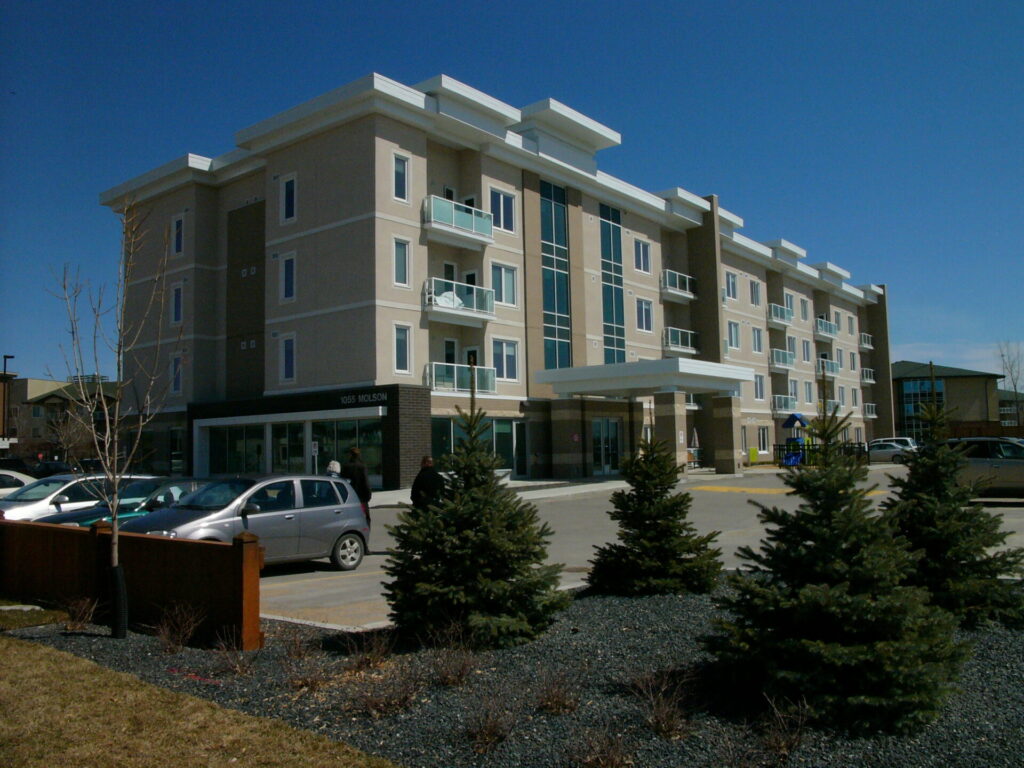
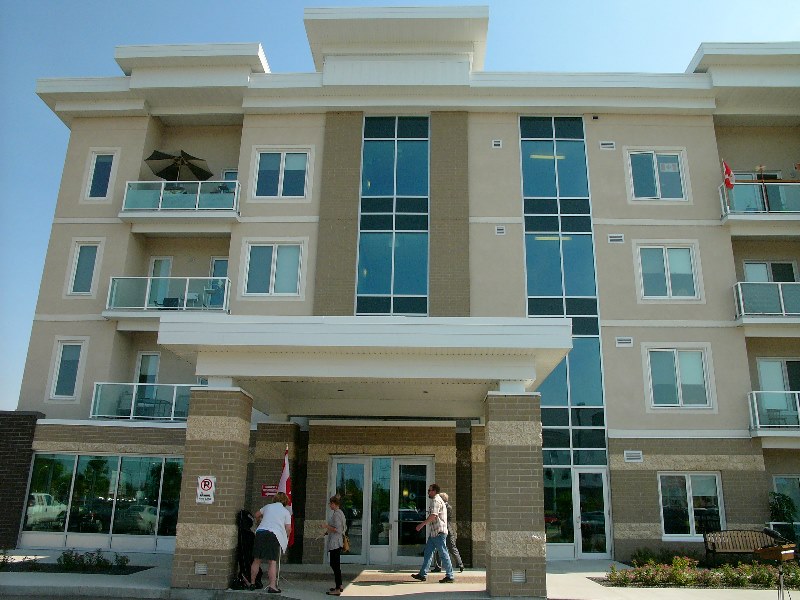
Pictured above and right: Photos of one of Eden’s Assertive Care Apartments in Winnipeg that Wilson Courts will be modelled after.